Buying in the Bay Area can feel like a moving target. If you are trying to decide whether a Concord condo is a smart first home or a practical small investment, the answer is often yes, but only if you look past the price tag and study the details that really drive value. From entry price and rent potential to BART access and HOA health, here is what you should know before you buy. Let’s dive in.
Why Concord condos draw attention
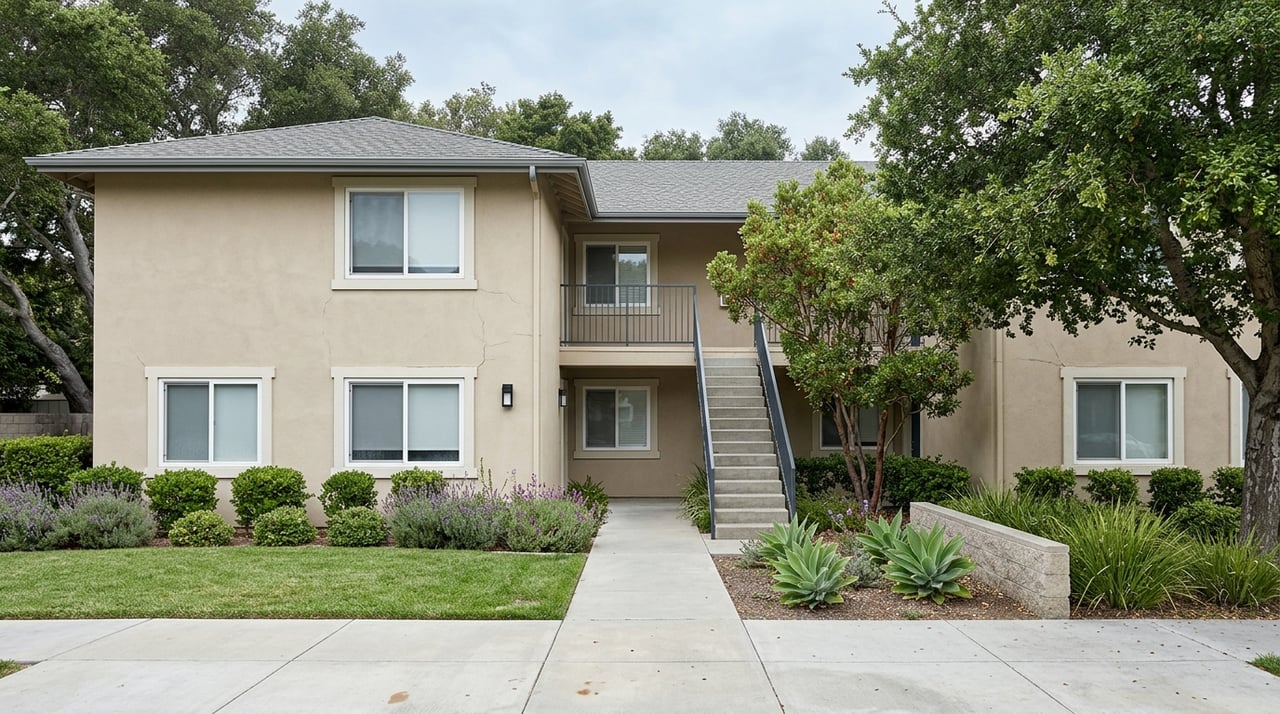
Concord condos stand out because they offer a much lower entry point than the broader local housing market. Redfin currently shows 46 condos for sale with a median listing price of $327,000, while Zillow’s Concord home value index and citywide market snapshot in the research place overall home values far higher at $729,153 as of February 28, 2026.
That price gap is a big reason first-time buyers and entry-level investors keep looking at attached housing here. If your goal is to own sooner, keep your upfront costs lower, or test the market with a smaller property, Concord condos can create options that may feel out of reach in higher-priced segments.
Entry price vs. overall market
The affordability story is strongest when you compare condos and townhomes side by side. According to Redfin’s Concord attached housing data, condos are listed at a median of $327,000 and townhouses at $498,000.
That does not automatically make every condo a bargain. It does mean you can often buy into the market at a lower price point, but you still need to compare HOA dues, condition, location, and financing options before deciding whether a unit is truly a smart buy.
What slower condo sales mean
Attached housing in Concord is moving more slowly than the broader city market. Redfin reports about 44 days on market for condos and about 28 days for townhouses, while the broader city median days to pending is 23.
For you, that can create room to negotiate. A slower pace may give buyers more time for due diligence, pricing discussions, and HOA review. Still, slower sales can also signal that buyers are being selective, which is another reason to focus on location, project health, and monthly ownership costs.
When a condo works as a first home
A Concord condo can be a smart first home if your main goal is to stop renting, build equity, and keep your purchase price lower than a detached home. You may also like the lower-maintenance setup that comes with shared exterior upkeep and common-area management.
This can be especially appealing if you want access to Concord’s transit network or downtown without stretching into a much higher price bracket. If you value convenience, want a manageable space, and understand the HOA tradeoffs, a condo may fit well.
Best fit for first-time buyers
A condo may make sense for you if you want:
- A lower entry price than many single-family homes
- A location near transit, shopping, or downtown activity
- Less exterior maintenance responsibility
- A property you may hold for several years before moving up
The key is to look beyond the monthly mortgage payment. HOA dues, insurance needs, and project condition matter just as much.
What investors should study first
If you are buying with future rental income in mind, the math needs a closer look. Zillow’s Concord rental market page puts the average rent at $2,295 per month, with 214 rentals available as of March 27, 2026.
Using simple screening math from the research, that suggests roughly 8% gross annual rent-to-price for a condo and about 6% for a townhome before HOA dues, taxes, insurance, maintenance, and vacancy. That can make condos look attractive on the surface, but it is only a starting point, not a full cash-flow analysis.
Gross rent is not the whole story
The real investment question is whether the property still works after the costs that attached housing buyers sometimes underestimate. In many condo communities, HOA dues can change the entire picture.
Before you treat a listing as an investment opportunity, make sure you evaluate:
- HOA dues
- Special assessments
- Insurance responsibilities
- Reserve funding
- Rental restrictions
- Deferred maintenance in the project
A lower purchase price can help, but a weak HOA can erase that advantage quickly.
Why BART access matters
Location is one of the strongest factors in whether a Concord condo holds value well over time. Concord Station sits on BART’s Antioch–SFIA/Millbrae line, and the City of Concord describes downtown as a transit-oriented urban space and regional commuter hub.
That matters if you are buying your first home and thinking ahead to resale. It also matters if you want the option to rent the unit later, because transit access can broaden appeal for future buyers and tenants.
Downtown and commuter appeal
The station area has also seen pedestrian and bicycle access improvements tied to the route between BART and Todos Santos Plaza, according to BART’s station information. In addition, City of Concord transit information notes service from County Connection, which adds another commuting option.
For many buyers, this supports a simple rule of thumb: condos closer to downtown and BART may deserve a closer look. In a city that Redfin describes as minimally walkable with a Walk Score of 49, transit and nearby conveniences can carry extra weight.
HOA health is the real filter
If there is one area you should not rush, it is HOA review. In California, sellers of condo and townhome interests must provide key disclosure documents, including governing documents, the latest annual budget report, current assessments and fees, unresolved violations, and, when applicable, statements about rental prohibitions under California Civil Code Section 4525.
That budget report matters because it includes reserve summary and reserve-funding disclosure information. The same disclosure framework also warns that the master insurance policy may not fully cover your interior property or improvements, and owners may still face deductibles.
What reserve studies tell you
Under California Civil Code Section 5550, reserve studies should be reviewed annually and should identify major components, useful life, replacement costs, and annual funding needs. This gives you a much clearer picture of whether the HOA is planning responsibly for future repairs.
A healthy reserve situation can support both ownership confidence and financing. On the other hand, underfunded reserves, major deferred repairs, litigation, or insurance problems can create higher costs and even make financing harder.
HOA questions to ask early
If you are considering a Concord condo as a first home or a future rental, ask these questions early:
- Are rentals restricted by the HOA documents?
- Is the reserve study current?
- Does the HOA appear adequately funded?
- Have there been recent or planned special assessments?
- Are there unresolved repairs or violations?
- Is there ongoing litigation?
- Are insurance deductibles unusually high?
These are not minor details. They are often the difference between a condo that feels affordable today and one that becomes expensive later.
Condo checklist before you buy
Here is a practical way to evaluate whether a Concord condo is a smart move for you:
For a first home
- Compare the full monthly cost, not just the mortgage
- Review HOA documents carefully
- Look at location relative to BART, downtown, and daily errands
- Consider how long you plan to stay
- Think about future resale appeal
For an investment
- Confirm the HOA allows rentals
- Estimate rent using current local market data
- Factor in dues, taxes, insurance, vacancy, and maintenance
- Review reserves and special assessment history
- Check whether financing could be an issue in the project
So, are Concord condos a smart buy?
In many cases, yes. Concord condos can be a smart first home when you want a lower-cost path into ownership, especially if you can find a well-located property near BART or downtown and the HOA is financially stable.
They can also work as an investment if the numbers still hold up after dues and other ownership costs, and if the governing documents support your plans. The best opportunities are usually the ones that combine three things: a practical entry price, strong transit access, and a healthy HOA.
If you want help comparing condo options in Concord or thinking through resale and rental potential, Kailani Kimoto offers practical, local guidance to help you buy with more clarity and less stress.
FAQs
Are Concord condos a good option for first-time buyers?
- Yes, they can be, especially if you want a lower entry price than a single-family home and are comfortable reviewing HOA costs, rules, and project health carefully.
Are Concord condos a good investment for future rental income?
- They can be, but only if rental rules allow it and the property still makes financial sense after HOA dues, taxes, insurance, maintenance, and possible vacancy.
How much do condos in Concord cost right now?
- According to Redfin data in the research, the median listing price for Concord condos is $327,000, while townhouses are at $498,000.
Why does BART access matter for Concord condo buyers?
- BART access can support both resale and rental demand because it gives buyers and tenants another commuting option and adds convenience in a city with limited overall walkability.
What HOA documents should Concord condo buyers review?
- Buyers should review governing documents, the annual budget report, reserve information, current assessments and fees, unresolved violations, insurance details, and any rental restrictions disclosed by the seller.
What is the biggest risk when buying a Concord condo?
- One of the biggest risks is buying into an HOA with weak reserves, deferred maintenance, special assessment exposure, insurance issues, or rules that do not match your future plans for the property.