Thinking about selling your Walnut Creek home and want it to feel calm, organized, and successful from day one? You are not alone. With the right plan, you can reduce stress, avoid last‑minute surprises, and launch a listing that attracts serious buyers. In this guide, you will learn when to list, what to fix, how to present your home, and which legal steps matter most in California. Let’s dive in.
Walnut Creek market snapshot and why it matters
Public portals show a mixed picture, which is normal because each uses different data sets. Recent snapshots indicate:
- Median sale price around $795,000 and about 53 days on market in Walnut Creek, based on one portal’s January 2026 view.
- A typical home value near $1,003,668 using a separate home‑value index model.
- Another portal shows a roughly 62‑day median days on market in recent months.
What to take from this: each source blends condos, single‑family homes, and time frames differently. Use them for context, then rely on a local comparative market analysis (CMA) to set your target list price. An experienced Walnut Creek agent will filter the data for your specific property type and micro‑neighborhood.
Time your sale for traction
Most years, spring brings stronger buyer activity in the Bay Area. Listing in early to mid‑spring often helps shorten days on market and can support a small price premium. In our market, that peak can start earlier than in other parts of the country. If you can plan for a spring launch, begin prep several months in advance so you are not rushing. Many sellers also like to go live on a Thursday to capture weekend traffic. If spring does not fit your schedule, a well‑priced, well‑presented listing can still perform off‑peak.
Start with the legal and compliance basics
Getting your disclosures and permits organized early keeps your transaction smooth and reduces risk later.
California disclosures you must provide
- Transfer Disclosure Statement (TDS). Most sellers of 1–4 unit residential properties must complete the TDS and disclose known material facts. Deliver it as soon as practicable before transfer. See Civil Code guidance for details on the TDS requirements. Review the TDS statute.
- Natural Hazard Disclosure (NHD). You must disclose whether the home lies in mapped hazard zones such as flood, wildfire, or seismic hazard areas. See the NHD statute.
- Lead‑based paint. Federal lead disclosures apply to homes built before 1978. Your agent will guide the timing and form delivery in the purchase agreement workflow.
Important update: If you recently acquired the property or completed renovations and plan to sell quickly, new rules can expand your disclosure obligations. AB 968 and related updates require specific reporting in some flip or recent renovation scenarios. Read the Contra Costa County Bar Association summary, and confirm with your agent and, if needed, an attorney.
Check city permits and common local items
- Walnut Creek permits. The city requires building permits for structural work and encroachment permits for work in the public right‑of‑way, such as driveway or sewer lateral work. If you plan exterior or underground repairs, confirm requirements early to avoid delays. Review Walnut Creek encroachment permit guidance.
- Private sewer lateral (PSL). Many Bay Area cities review sewer laterals during a sale or accept video scopes. While rules vary, PSL repairs can take time, so plan ahead if your home is older or has mature trees. See a Bay Area overview of PSL practices.
Practical tip: Gather permits, receipts, inspection reports, and contractor info now. If you know of any unpermitted work, discuss disclosure and next steps with your agent.
Your 12‑month pre‑listing plan
If you are aiming to sell within a year, follow this calm, step‑by‑step approach. It puts safety and compliance first, then focuses on simple updates that buyers love.
A) Reduce risk first: inspections and verifications
- Order a pre‑listing inspection. A general inspection gives you a clearer picture of your home’s condition, so you can address items before buyers find them. This often reduces repair requests and boosts pricing confidence. Why seller inspections help.
- Get a WDO/termite report. Many buyers and lenders expect one, and it is better to know about active termites or dry rot before you list. What a WDO report covers.
- Consider a sewer lateral video scope. If your property is older or you have tree roots nearby, an early scope can save time and surprises. In cases where repairs are needed, you can often plan scheduling or negotiate an escrow holdback, depending on lender and city acceptance. Learn about typical PSL processes.
- Verify permits. If any significant work was done without permits, talk with your agent about options and how to disclose properly.
B) High‑impact updates with strong ROI
Focus on updates that look great in photos and show a well‑cared‑for home, without taking on a full remodel.
- Deep declutter and professional clean. Clear surfaces, thin out furniture, organize closets, and remove most personal photos. This makes rooms feel bigger and helps buyers imagine themselves in the space.
- Fresh interior paint. Neutral paint is one of the best values in prep. Typical interior painting runs about $2 to $6 per square foot or $300 to $1,200 per room, with Bay Area rates on the higher end. See painting cost ranges.
- Lighting and hardware refresh. Updated cabinet pulls, modern light fixtures, and clean faucets create a quick style lift.
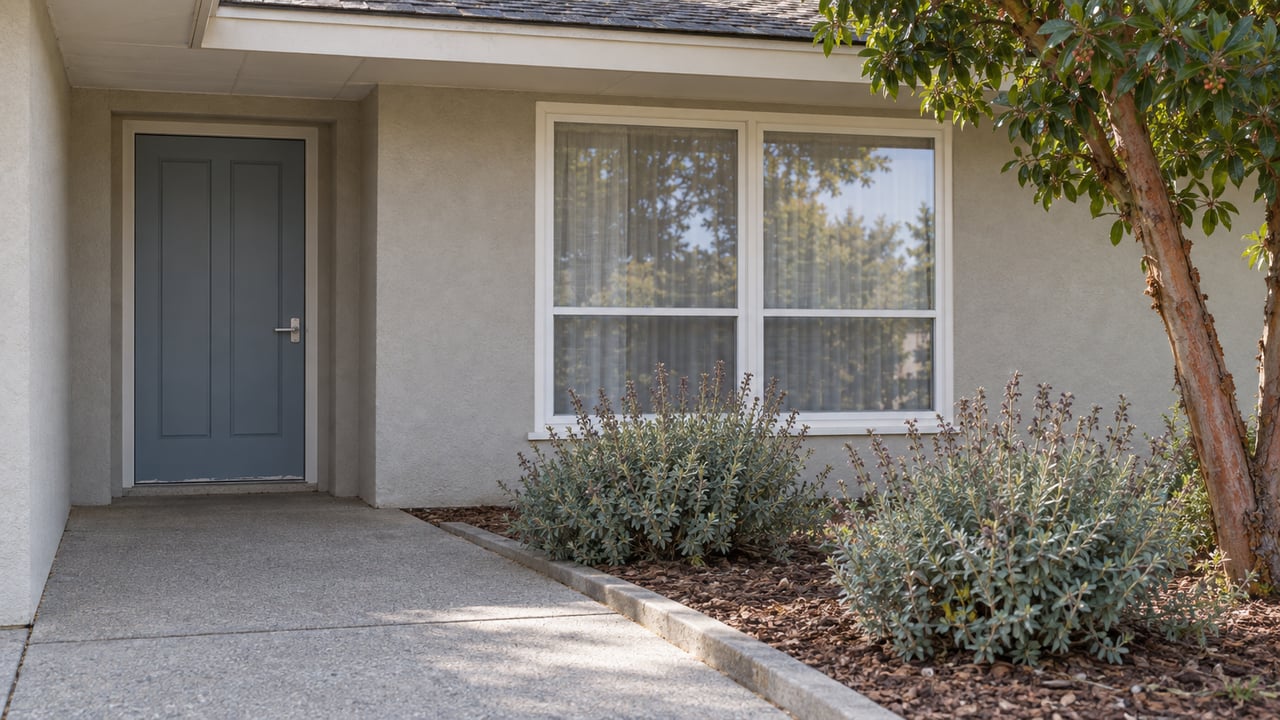
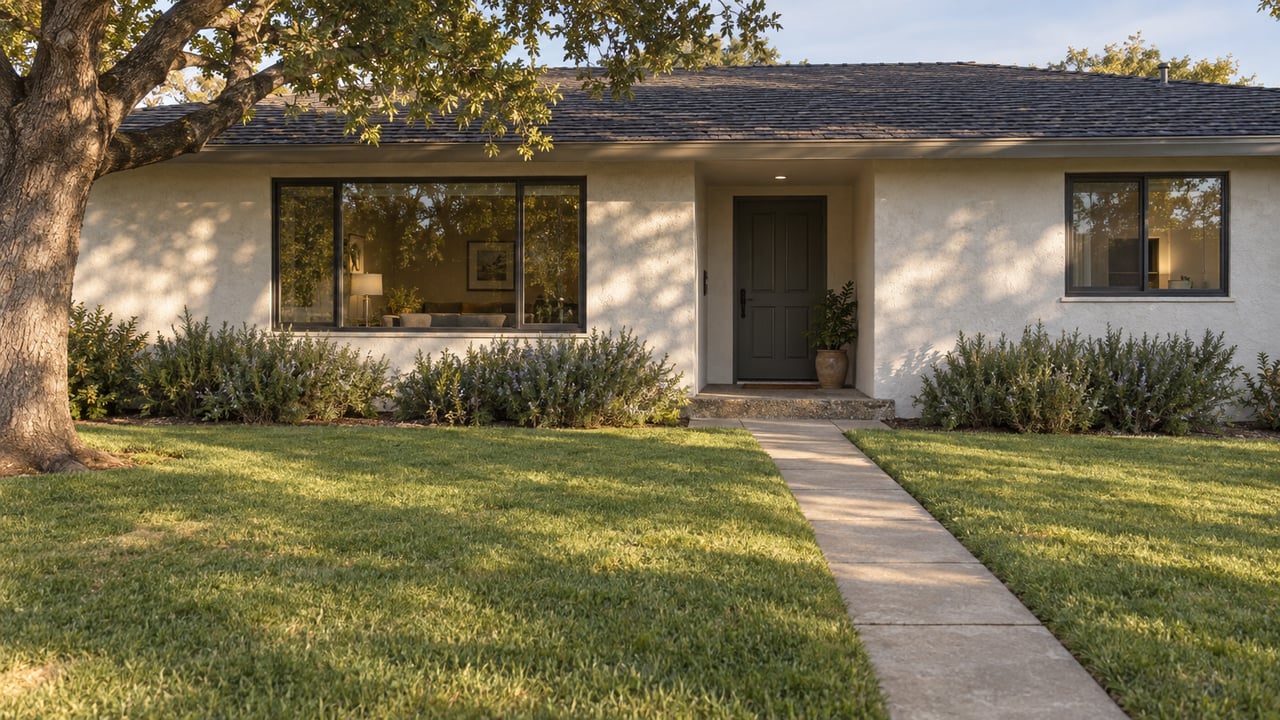
- Curb appeal. Trim hedges, add fresh mulch, plant seasonal pots, and pressure wash the entry. First impressions matter.
- Front door or garage door refresh. National data often shows these as top resale performers. Check Cost vs. Value trends.
- Minor kitchen updates. Consider painting cabinets, updated countertops, or new hardware instead of a full gut. Modest improvements can deliver strong visual impact.
C) Stage smart, then capture great visuals
- Stage the rooms that matter most. The living room, primary bedroom, and kitchen typically have the biggest influence on buyers. Staging often reduces time on market and can lift offers by a small percentage. See NAR’s latest staging findings.
- Use professional photography. Strong photos are essential for online engagement. If budget allows, add a floor plan or short video to help buyers understand the layout.
- Virtual staging as a backup. For vacant homes, virtual staging can boost online interest at a lower cost, though physical staging tends to perform best in person.
D) Budget notes and where sellers often overspend
- Prioritize cosmetic, high‑ROI items before big remodels. National Cost vs. Value data frequently shows that smaller, targeted projects recoup more than major overhauls. Review Cost vs. Value data.
- Remember storage and moving prep. Many sellers benefit from a storage unit for 1–2 months during staging and showings. Build that into your plan if it will help you declutter.
Pricing and launch strategy that fits Walnut Creek
Set price with a local CMA that accounts for your property’s features and micro‑neighborhood differences. Downtown condos, Rossmoor residences, and single‑family homes in areas like Parkmead or Livorna can behave differently. The first two weeks on market are critical for discovery, so track showings and feedback closely. If activity is light, be ready to adjust price or offer buyer credits to stay competitive.
If you are selling in a community with special rules, such as Rossmoor, factor in association timelines, access rules, and any unique disclosures so your launch date does not slip.
A simple timeline you can adapt
Use this as a starting point and adjust based on your home’s needs and your target launch month.
9–12 months before listing
- Interview local agents and choose your partner.
- Review early market context and your goals.
- Plan your budget for inspections, paint, and staging.
- If you expect any permitted work, start discussing the process now.
3–6 months before listing
- Complete major repairs and any permit‑related work.
- Order sewer scope if your home is older or you suspect issues.
- If you are in a community with association requirements, confirm timelines and resale steps.
6–8 weeks before listing
- Declutter deeply and start packing non‑essentials.
- Schedule interior paint and light handyman updates.
- Refresh landscaping and curb appeal.
- Finalize staging plan and photo date.
0–2 weeks before listing
- Stage the home and complete a professional clean.
- Take pro photos and prepare your marketing assets.
- Assemble your disclosure packet: TDS, NHD, WDO, permits, and receipts.
- If it fits your plan, target a Thursday live date to capture weekend traffic.
Listing‑day checklist
- Lights on and all bulbs working; blinds open for natural light.
- Surfaces cleared; counters and vanities spotless; trash removed.
- Fresh towels and neutral bedding; personal items tucked away.
- Entry swept, doormat clean, and porch light on.
- Property binder ready for buyers with key disclosures and receipts.
What to expect from inspections, paperwork, and offers
- General inspection report. Address simple fixes upfront and price accordingly for any larger items.
- WDO/termite report. Handle active infestation or significant dry rot to avoid lender concerns or buyer hesitation. Learn what WDO means.
- PSL or plumbing notes. Plan time for estimates if your scope suggests issues. Understand typical PSL steps.
- Disclosures. Deliver the TDS, NHD, and any lead disclosures on schedule. Review TDS and NHD basics. If you made recent renovations or acquired the property within a short window, check whether enhanced disclosures apply. Read the AB 968 summary.
When offers arrive, the strongest ones usually pair clean terms with clear financing. If buyers ask for credits based on your reports, compare those requests to your pricing strategy. Your agent will help you weigh net proceeds versus time to close.
Local touches that help Walnut Creek homes sell
- Easy access to BART, downtown dining and shopping, and neighborhood parks are frequent buyer talking points. Spotlight those benefits in your listing copy and show materials.
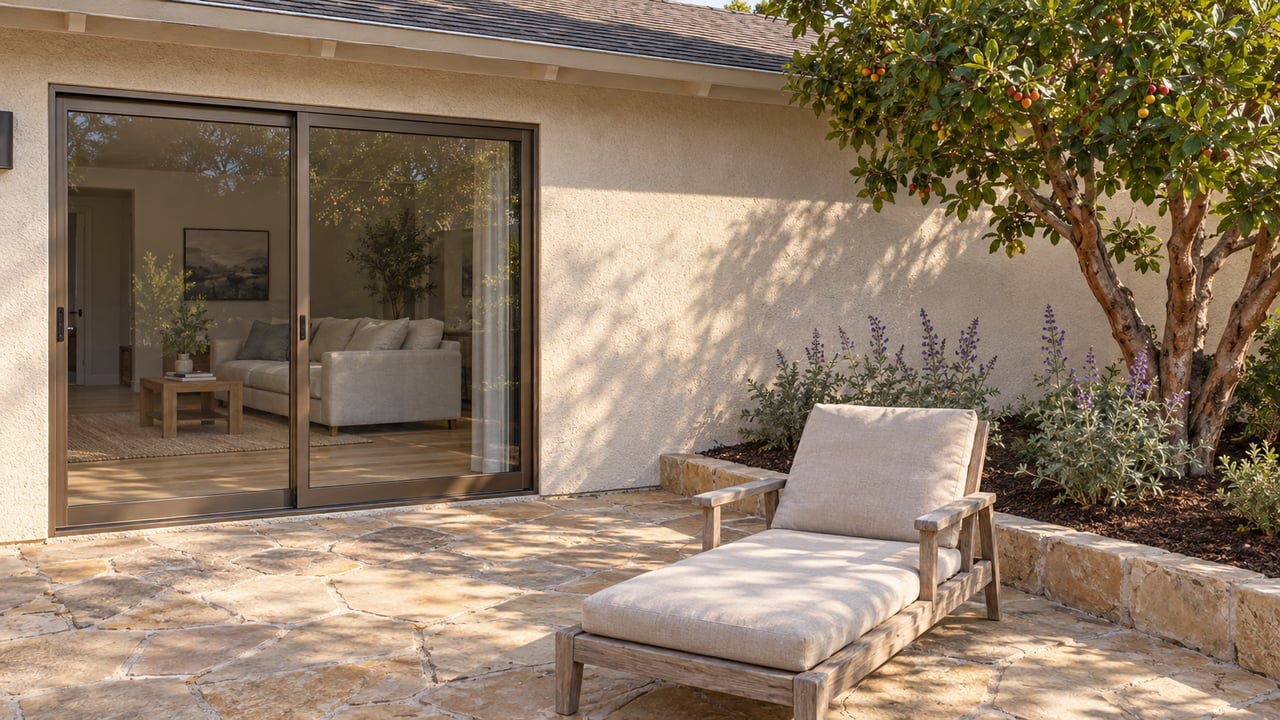
- Showcase natural light and indoor‑outdoor flow if you have a patio, deck, or level yard.
- If your home is close to trailheads or open space, include those in the photo captions and highlights.
Make your move feel manageable
A smooth sale comes from early planning, clear disclosures, and thoughtful presentation. Start with inspections, focus on a few high‑impact updates, and time your launch for maximum traction when possible. If you want a calm, hands‑on partner who knows Walnut Creek and Rossmoor, reach out to Kailani Kimoto for a free home valuation and a tailored prep plan.
FAQs
What is the best time to list a Walnut Creek home?
- Spring often brings stronger buyer activity and shorter days on market in the Bay Area, with some years peaking earlier. If you can, plan prep so you can hit an early to mid‑spring launch.
Which pre‑listing inspections should I get in Walnut Creek?
- A general home inspection and a WDO/termite report are common. Older homes may also benefit from a sewer lateral video scope, since PSL repairs can take time and affect escrow.
How much should I spend on updates before selling?
- Focus on high‑impact, cost‑effective updates like paint, lighting, hardware, curb appeal, and light kitchen refreshes. National data shows these often recoup better than major remodels.
Do I have to disclose unpermitted work when selling in California?
- Yes. You must disclose known material facts on the TDS, including unpermitted work. If you renovated recently or acquired the home in a short window, you may have extra disclosure duties.
What staging delivers the most value for buyers?
- Stage the living room, primary bedroom, and kitchen first. These rooms usually influence buyer perception most and can reduce time on market when presented well. See NAR’s staging research.